What is an anchor in a fall protection system?
An anchor is a very important part of any fall protection system. The anchor is usually a device that has been purposefully manufactured and installed and is used to connect to and fully support a fall protection system. When a worker is using a fall protection system, they will connect their lanyard or lifeline to an anchor. Anchorage means a secure connection point for a fall protection system.
Anchors must be of the right type for the work and must be installed correctly. They are part of a fall protection system designed to stop a person from hitting the ground if there is a fall from a height.
In all cases, check the legislation in your jurisdiction for specific requirements.
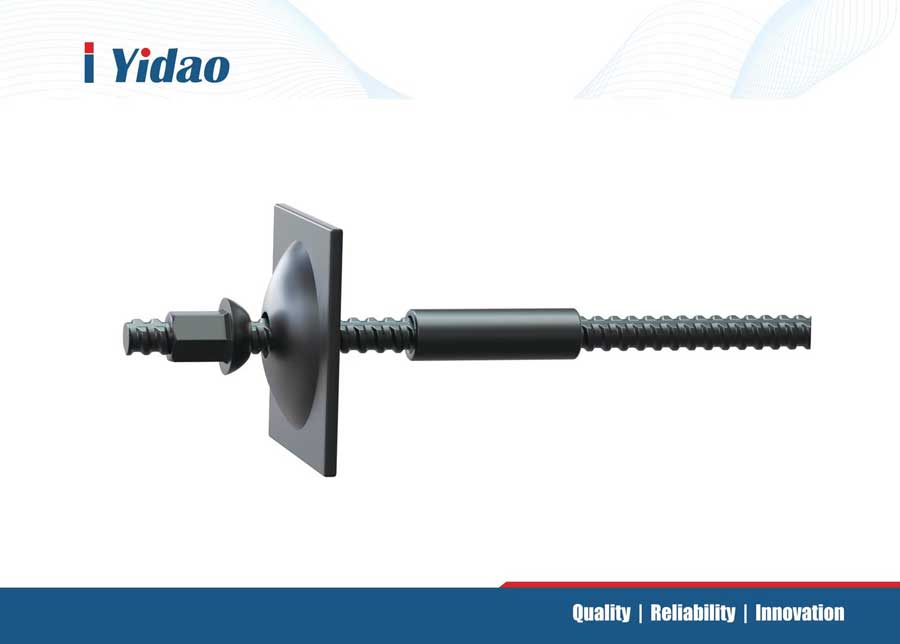
What are the different types of anchors available for fall protection?
There are different anchors available and they can vary by industry, job, building type, type of installation, and structure. Basic types of anchor systems for fall protection include:
◎ Permanent anchors - These anchors are designed according to a specific load and design parameters. They are permanently installed for fall protection as an integral part of the building or structure (e.g., roof anchors on high-rise buildings).
◎ Temporary or moveable anchors –These anchors are designed to be connected to a structure using specific installation instructions (e.g., nail-on anchors used by roofers, wire rope slings, synthetic webbing slings, I beam sliders, I beam clamps, etc.).
In some cases, improvised anchors may be considered. These anchors are not manufactured to any specific standard, but rather may include using a beam or other structures. Preferably, a professional engineer or competent person should verify these anchors as having adequate capacity to serve as anchor points.
 BACK


